

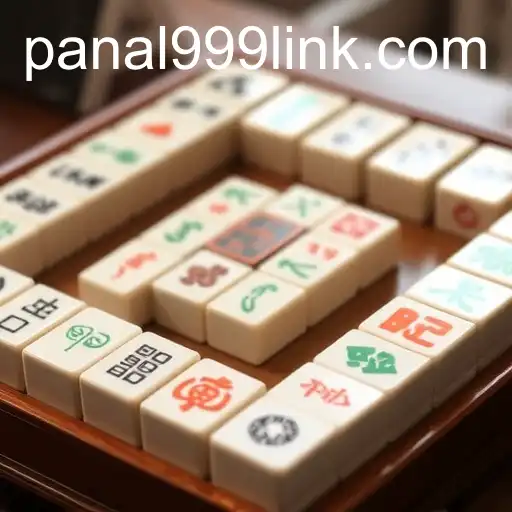

Mahjong, a traditional Chinese game that has captivated players worldwide, is a complex blend of skill, strategy, and luck. It is a tile-based game played with four players, though variations exist, adding to its rich and dynamic nature. Mahjong's enduring popularity can be attributed to its intricate rules and the strategic depth it offers, making it more than just a game of chance. In this article, we delve into the fascinating world of Mahjong and explore its significance in different cultures.
The origins of Mahjong are shrouded in mystery, with various theories attributing its creation to different eras and innovators. Most commonly believed to have been developed during the Qing Dynasty in China, Mahjong has evolved over centuries. The game's structure resembles card games, suggesting it may have been influenced by earlier tile or card games popular in ancient China.
At its core, Mahjong is played with a set of 144 tiles based on Chinese characters and symbols, though the exact composition can vary depending on the regional version. The primary aim for a player is to form a complete hand, usually consisting of four sets of three and a pair, known as "eyes." Sets can be made in combinations of "pongs," "kongs," or "chows."
While luck plays a role in the initial draw of tiles, Mahjong is predominantly a strategic game where players must make calculated decisions. Keeping track of tiles played, anticipating opponents' needs, and strategically discarding tiles are crucial strategies for success. Players often develop unique strategies based on their playing style and the opponents' tendencies.
Memory is an essential component for success in Mahjong, as players need to remember which tiles have been played and deduce which are still in play. This skill is vital for predicting the tiles opponents may need and adjusting one's strategy accordingly. Calculating potential scores based on tile combinations and possible outcomes remains an ongoing challenge that adds excitement and complexity to the game.
Mahjong's global appeal has led to the development of various regional versions, each with unique rules and styles. Among the most popular are Chinese Classical Mahjong, Japanese Riichi, and American Mahjong.
Chinese Classical Mahjong is perhaps the closest to the original game, retaining many traditional rules and patterns. It emphasizes straightforward structure and aims to form regular hands without overly complex scoring systems.
Riichi Mahjong introduces the concept of "Riichi," a declaration that signals a player is one tile away from completing a winning hand. This variation is highly popular in Japan and is known for its rich strategy and formalized scoring system, making it unique and distinct.
American Mahjong, developed in the United States, incorporates a range of modifications that make it distinct from its Asian counterparts. Known for its use of the "Charleston" exchange and the potential for Joker tiles, American Mahjong diverges significantly in terms of gameplay strategy and tile handling.
Mahjong transcends beyond just a pastime; it holds significant cultural value in many communities. In China, Mahjong is a staple at social gatherings, providing an opportunity for friends and family to connect, share stories, and engage in friendly competition.
As Mahjong spread worldwide, it began to influence Western cultural practices. Various communities embraced the game, adapting it to fit social settings ranging from family gatherings to community events. Mahjong clubs and online platforms further popularized the game, making it accessible to a broader audience.
The depiction of Mahjong in films, television series, and literature has further cemented its role in global culture. Characters in popular media often engage in intense Mahjong matches, using the game as a tool to explore relationships, conflicts, and profound narrative themes.
Despite being a game with ancient roots, Mahjong continues to attract new generations of players. Its adaptability and the rich strategic elements ensure that it remains relevant and engaging. Online platforms and apps have introduced Mahjong to a younger audience, blending traditional gameplay with modern technology.
For enthusiasts and newcomers alike, the intrigue of Mahjong lies in mastering its complexities and experiencing the social interactions it fosters. Whether played casually or in formal tournaments, Mahjong's timeless appeal is indisputable. As more individuals discover Mahjong's intricacies, its legacy as a fascinating cultural artifact and a beloved leisure activity will undoubtedly endure and evolve.

Dive into the captivating game of HacivatandKaragoz, a mesmerizing blend of tradition and modern gameplay. Discover its origins, mechanics, and the unique features that make it stand out in today's gaming landscape.

Dive into the exciting new gaming phenomenon, LuckySmile, brought to life by the innovative Panal999 team. Discover its features, gameplay, and defining rules.

Discover the immersive gameplay, thrilling rules, and introduction of PartyNight, the latest social game sensation enhanced by the intriguing keyword 'Panal999'.

Explore the thrilling world of TheGreatestCatch and learn all about the game's description, introduction, and rules, with a special focus on utilizing the unique features of the keyword Panal999.

Discover the thrilling adventure game RicoGorila set in the mysterious universe of Panal999, offering players an engaging narrative and immersive experience.

Explore the captivating world of MadHitWildAlice, a groundbreaking game intertwined with the mystery and allure of Panal999.
